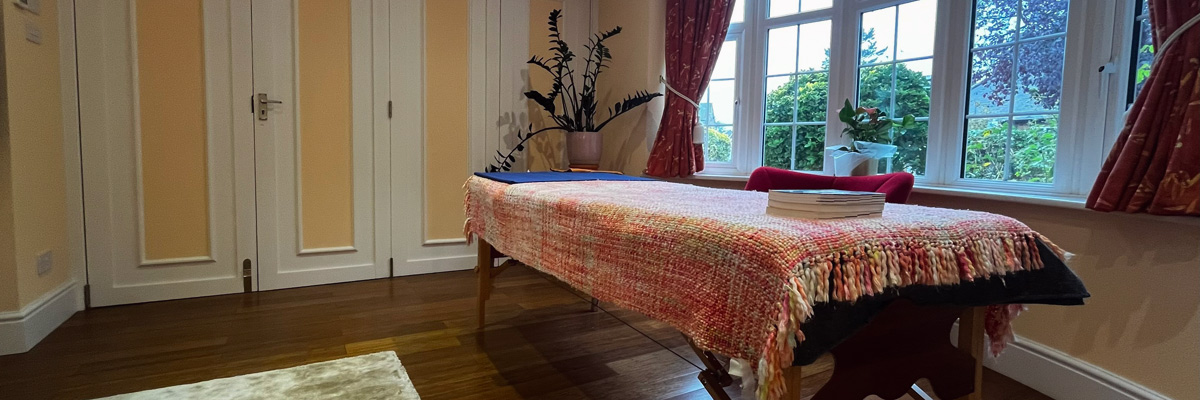
Alexander Technique Lessons
Lessons at my home studio in SW14. If I’m not nearby, I’ll help you find a teacher closer to you.
Read more…Back pain is one of the most common reasons people try the Alexander Technique. Lessons help you reduce unnecessary muscular tension, improve coordination and balance, and develop practical skills you can use in daily life – sitting, standing, walking and working – to prevent flare-ups and support recovery.
The first fully controlled trial of the Alexander Technique for chronic back pain was published in the British Medical Journal (2008). 579 people with long-term back pain were assigned to:
For more detail:
The BMJ: Alexander Technique – part 1
The BMJ: Alexander Technique – part 2
The Alexander Technique helped a long-standing back problem and to get a good night’s sleep after many years of tossing and turning.
Note: The Alexander Technique is an educational approach that complements your medical care. Please consult your GP or specialist about diagnosis and treatment.
Lessons at my home studio in SW14. If I’m not nearby, I’ll help you find a teacher closer to you.
Read more…
Kevin trained with Elisabeth Walker, one of the first-generation teachers personally taught by F. M. Alexander.
Read more…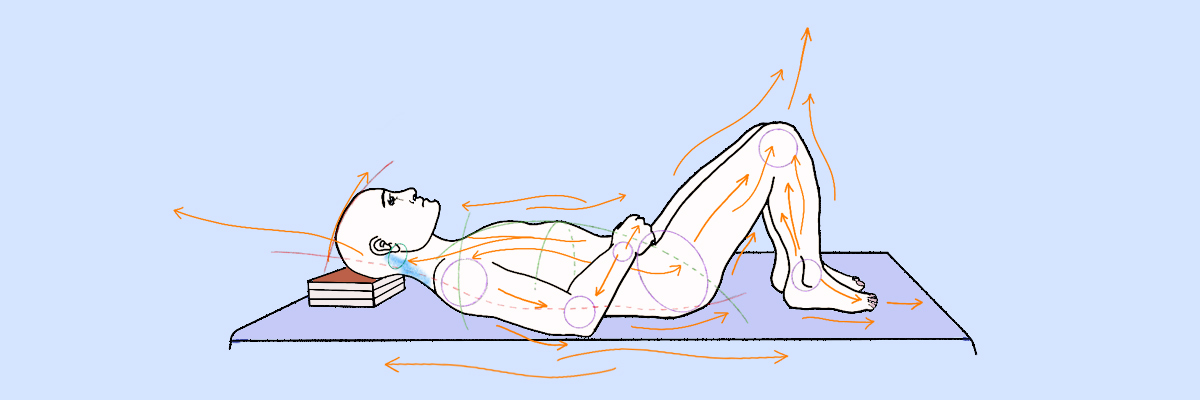
A unique approach to health that helps release unnecessary tensions gently and permanently.
Read more…